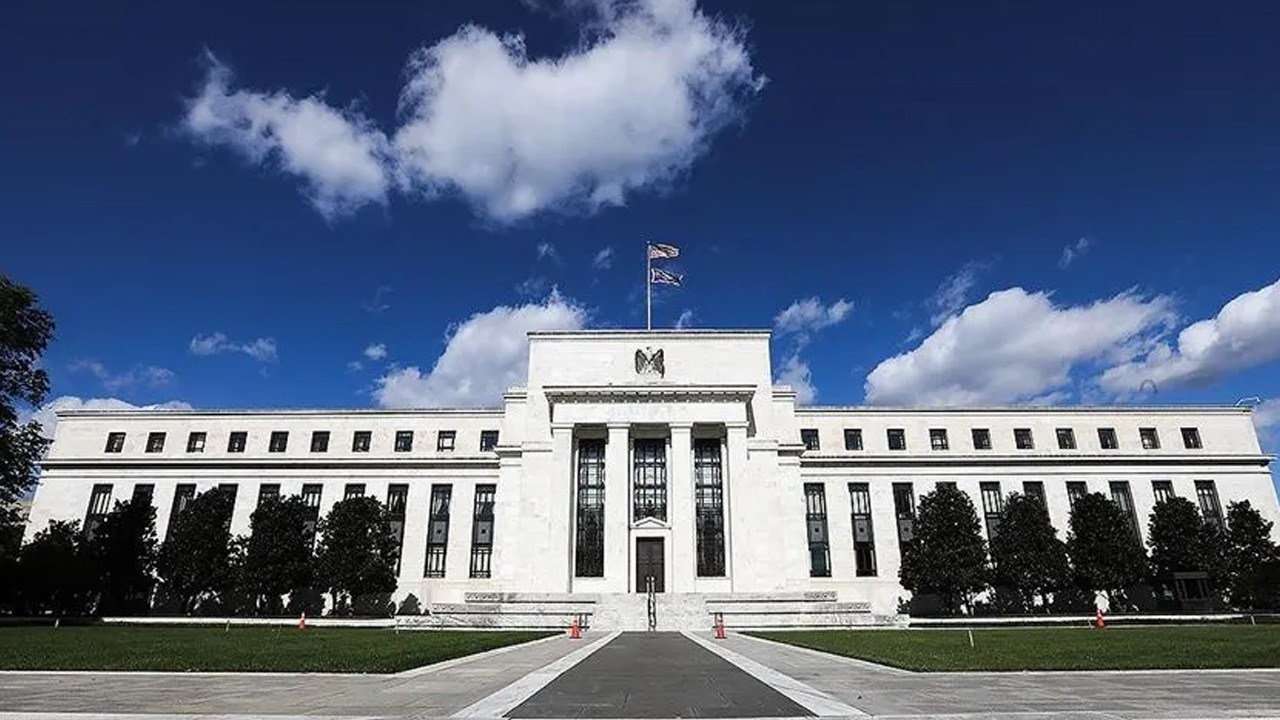
The bond market now has an even bigger fear than AI fallout
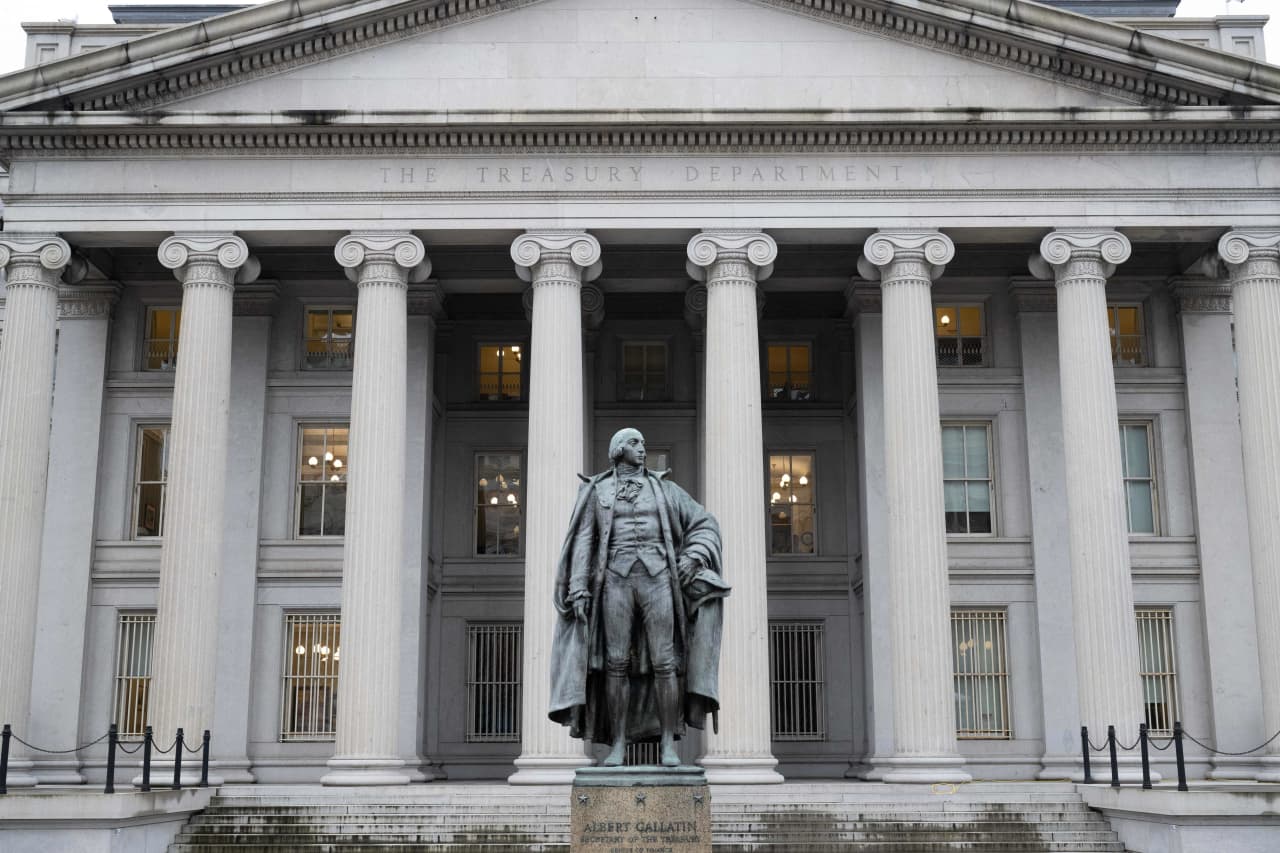
Carnage in tech stocks made Treasurys look more attractive in recent weeks, but fears of more Fed rate hikes are now driving yields higher
Black Sea Wire Analysis
Why it matters
The shift in the bond market’s focus matters because it challenges a basic assumption behind diversified portfolios: that government bonds will cushion losses when stocks fall. Technology-sector weakness can encourage investors to seek safety in Treasurys. But if expectations of tighter monetary policy dominate, those same bonds can lose value alongside equities.
The mechanism is straightforward. Treasury prices move inversely to yields, and expectations for the Federal Reserve’s policy rate help shape those yields. Investors who see a greater possibility of additional increases will demand more compensation for holding bonds at today’s fixed interest payments. Longer-dated securities can be particularly sensitive to changing rate expectations, although their yields also reflect inflation uncertainty and the premium investors require for committing money over time.
This does not establish that the Fed will raise rates. It shows that the possibility is becoming more important to market pricing. The distinction matters: yields can rise because investors revise the probabilities they assign to future policy decisions, even before economic data justify a firm conclusion. Inflation and employment releases therefore become critical tests of whether the repricing has staying power.
For technology shares, the implications go beyond losing support from defensive bond buying. Higher yields increase the discount rate applied to future corporate earnings, putting pressure on valuations that depend heavily on profits expected years ahead. Companies whose investment plans require external financing may also face more expensive funding. Concerns about artificial intelligence and interest rates can consequently reinforce each other rather than remain separate market stories.
The effects extend to households and the wider economy. Treasury yields influence borrowing costs across mortgages and corporate credit, although the pass-through is neither immediate nor uniform. Higher market rates can tighten financial conditions without a new Fed decision, potentially restraining spending and investment.
For investors, the central lesson is to distinguish credit safety from price stability. Treasurys can remain a refuge from corporate default risk while still suffering interest-rate losses. Whether bonds regain their defensive role depends on what drives the next bout of volatility: weaker growth would generally support them, while persistent inflation and renewed tightening fears could keep both stocks and bonds under pressure.
Key takeaways
- Fear of further Fed tightening can undermine bonds’ ability to offset stock-market losses.
- Higher Treasury yields can pressure technology valuations and raise borrowing costs across the economy.
- Markets are repricing a policy risk, not confirming that another rate increase will happen.
Related stories